
Physiotherapy for Office Workers: Exercises to Undo a Day at Your Desk
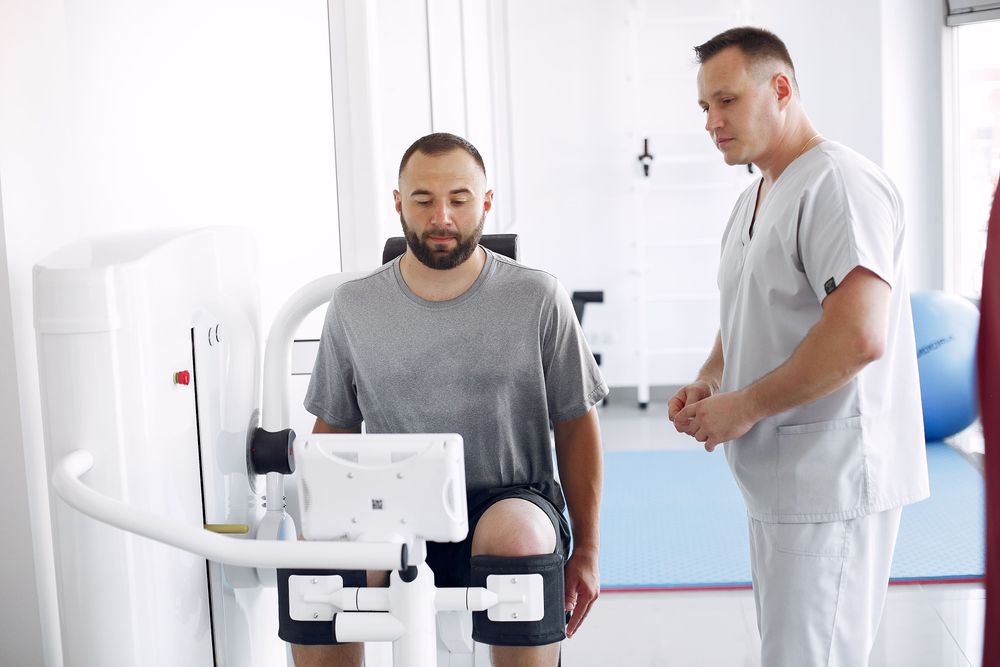
Learn effective physiotherapy exercises and ergonomic strategies to reduce desk-related neck, back, and shoulder pain for office workers in Abu Dhabi.
textIn the modern professional landscape, the office serves as the primary environment where most of our day is spent. While corporate roles are often intellectually demanding, they impose a physical burden that is both subtle and profoundly damaging. Human anatomy is fundamentally engineered for dynamic movement—actions like walking, reaching, and stretching—yet contemporary work culture necessitates remaining stationary for eight to ten hours daily.
Ending your workday with a rigid neck, persistent lumbar discomfort, or tension-driven headaches is a clear sign of "desk-bound distress." This physiological strain occurs because static sitting forces the musculoskeletal system into unnatural positions for extended periods. Fortunately, physiotherapy for office workers offers a practical and scientifically backed strategy for reclaiming physical vitality.
By proactively integrating targeted movements and specific ergonomic refinements into your daily workflow, you can effectively counteract the structural damage caused by a sedentary routine. The goal of this approach is not just to manage existing pain, but to recalibrate the body’s alignment and restore the natural mobility that office life often erodes. Investing a few minutes throughout the day into corrective exercises can transform your professional experience from one of physical endurance to one of comfort and sustained productivity. Taking these steps ensures that your career ambitions do not come at the expense of your long-term spinal health and overall well-being.
Why Your Desk Is Hurting Your Body (And What Physiotherapy Says About It)
To effectively address office worker back pain, it is essential to recognize the mechanical disruptions that occur during prolonged periods of sitting. Physiotherapy principles operate on a "use it or lose it" basis; when the body remains static, the structural support systems begin to falter, leading to a cascade of physical issues known as the sedentary lifestyle pain cycle.
Several physiological changes occur simultaneously when we are desk-bound:
-
Muscle Shortening: Remaining in a seated position keeps the hip flexors and pectoral muscles in a chronically contracted state. This tightness eventually pulls the shoulders and pelvis forward, distorting natural alignment.
-
Muscle Inhibition: Crucial stabilizing muscles, such as the glutes and core, become inactive or "switch off." Without this muscular engagement, the spine loses its primary support, placing excessive strain on the vertebrae.
-
Increased Disc Pressure: Research indicates that sitting can increase the load on lower back intervertebral discs by approximately 40% compared to a standing position.
-
Forward Head Posture: Focusing on digital screens often causes the head to drift forward. For every inch of forward displacement, the neck muscles must support an additional ten pounds of weight, leading to chronic strain.
This systemic breakdown is why postural correction Abu Dhabi specialists focus on more than just localized symptoms. They treat the entire body as an integrated unit, correcting the imbalances created by our modern, sedentary environments to ensure long-term spinal resilience and comfort.
The Exercises: Physiotherapy Exercises for Office Workers
You don’t need a full gym to counteract the effects of sitting. These physiotherapy exercises at home or in the office are designed to target the specific areas that suffer most during a workday. 1. The Chin Tuck (Neck Pain Relief) This is the gold standard for office worker neck pain relief.
-
How to do it: Sit upright and look straight ahead. Without tilting your head up or down, slowly draw your chin straight back as if making a "double chin."
-
Why it works: It strengthens the deep neck flexors and stretches the tight muscles at the base of the skull. 2. Thoracic Extensions Prolonged sitting often leads to a "slumped" posture or a rounded upper back, which strains the spinal column.
-
How to perform it: Sit upright and place your hands behind your head. Using the top of your office chair as a support, slowly lean backward over the chair's edge while looking toward the ceiling. Maintain this position for 5 seconds, then return to center. Aim for 10 repetitions.
-
Why it works: This movement is designed to counteract the forward "C-shape" your spine naturally adopts during typing. By opening up the chest and extending the upper back, you relieve pressure on the vertebrae and restore natural alignment. 3. Cat-Cow Stretch A classic desk exercise for back pain that can be done on the floor or even modified for a seated position.
-
How to do it: On all fours, inhale as you arch your back and look up (Cow). Exhale as you round your spine toward the ceiling and tuck your chin (Cat).
-
Why it works: It promotes spinal mobility and hydrates the discs.
4. The Glute Bridge Because prolonged sitting leaves your gluteal muscles inactive for hours, it is essential to "reactivate" them to safeguard your lower spine.
-
How to perform it: Lie flat on your back with your feet planted on the floor and knees bent. Engage your core, squeeze your glute muscles, and lift your hips toward the ceiling until your body forms a straight line. Lower back down slowly and repeat.
-
Why it works: Strengthening these muscles creates a firm, stable foundation for the pelvic region. By reinforcing this area, you take the pressure off your lumbar spine, which significantly decreases office worker back pain.
Beyond Exercises: Ergonomic Tips to Prevent Desk Pain Long-Term
While corrective exercises are vital for reversing existing physical strain, true long-term prevention lies at the intersection of ergonomics and physiotherapy. Even the most consistent stretching routine can be undermined by a workstation that forces the body into awkward, static positions for hours on end. To effectively prevent back pain at desk environments, you must optimize your workspace to support the body’s natural alignment rather than fight against it.
Implementing a few fundamental structural changes can drastically reduce the cumulative load on your spine:
-
The 90-90-90 Rule: Ensure your workstation allows your elbows, hips, and knees to remain at approximately 90-degree angles. This alignment keeps joints in a neutral position and minimizes unnecessary muscular tension.
-
Monitor Configuration: Your screen height is a major factor in neck health. The top third of the monitor should sit at eye level to prevent "tech neck." For laptop users, utilizing a stand and an external keyboard is a non-negotiable step for proper posture.
-
Active Lumbar Support: If your office chair lacks a dedicated lumbar curve, you can create one by placing a rolled-up towel in the small of your back. This helps maintain the natural inward curve of the lower spine.
-
The 20-20-20 Rule: To combat both ocular and physical fatigue, take a break every 20 minutes to look at an object 20 feet away for 20 seconds. This brief interval serves as a vital mental and postural reset. By refining these environmental factors, you create a workspace that actively protects your health throughout the workday.
When Home Exercises Aren't Enough: Seeing a Physiotherapist in Abu Dhabi
There are instances where musculoskeletal discomfort becomes too deeply ingrained for simple self-correction or home stretches. When pain begins to radiate down the legs, causes persistent numbness, or severely disrupts your professional focus, it is a clear indication that you should seek a professional physiotherapy clinic in Abu Dhabi. Chronic issues often require a clinical intervention to break the cycle of inflammation and restricted mobility.
A comprehensive physiotherapy Abu Dhabi assessment offers several advanced diagnostic and therapeutic advantages:
-
Gait and Movement Analysis: This involves a detailed look at how your sedentary desk habits have subtly altered your fundamental mechanics, such as your posture while standing or your walking pattern.
-
Manual Therapy: Clinicians use targeted, hands-on techniques to mobilize stiff joints and release deep-seated muscle knots, known as trigger points, which are often unreachable through standard exercise alone.
-
Dry Needling: This specialized technique is frequently employed to "reset" chronically overactive muscles in the neck and shoulders, providing rapid relief from tension-based pain.
-
Customized Rehabilitation: Rather than a one-size-fits-all approach, you receive a recovery program precisely calibrated to your body type and the specific physical demands of your job.
By locating physiotherapy near me Abu Dhabi, you gain access to specialists who possess a deep understanding of the local corporate environment. They are uniquely equipped to address the challenges of a lifestyle characterized by high-pressure, indoor-heavy work routines, ensuring your treatment is as relevant as it is effective.
Take the First Step Towards a Pain-Free Work Life
Your professional career should not be a catalyst for chronic physical pain. By integrating physiotherapy for office workers into your daily schedule, you move away from being a passive victim of a sedentary workspace and become an active advocate for your own well-being. Proactive management ensures that the mechanical strain of desk work does not dictate your long-term quality of life.
Whether you begin with a routine of targeted home exercises or seek the clinical expertise of a physiotherapy clinic Abu Dhabi, the most critical factor is consistency. Physical health is built through repetitive, positive habits rather than occasional interventions. It is essential not to wait until minor discomfort escalates into a debilitating condition. Choosing to book physiotherapy appointment Abu Dhabi services today is an investment in a body capable of sustaining your long-term career ambitions.
Ultimately, your spine serves as the physical foundation of your productivity and focus. When you treat your musculoskeletal system with the care and attention it deserves, it will provide the structural support necessary to keep you moving comfortably for decades to come. Prioritize your alignment now to ensure your physical health remains as robust as your professional drive.