
Wisdom Tooth Removal: When Is It Necessary? A Dentist's Guide for UAE Patients
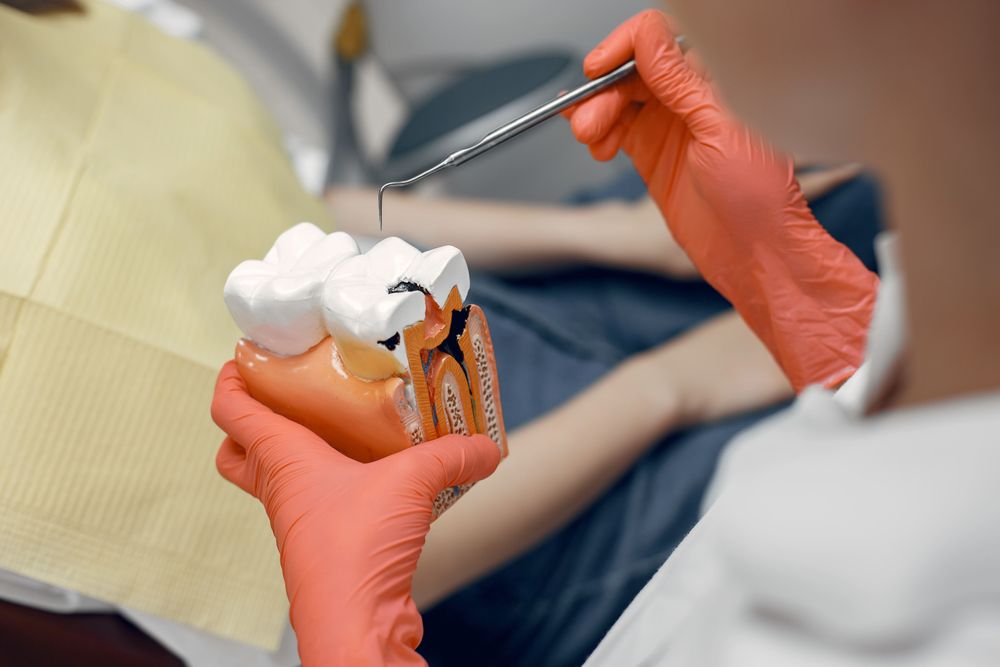
Wisdom teeth can cause pain, infections, crowding, and other oral health complications when there is not enough space for them to grow properly. This guide explains the common signs that indicate wisdom tooth removal may be necessary, what to expect during extraction, recovery recommendations, and how early dental evaluation can help prevent long-term problems. Discover expert advice for maintaining a healthy smile and making informed decisions about your wisdom teeth.
Maintaining excellent oral health is a vital component of your overall physical well-being. However, even with a meticulous daily brushing and flossing routine, there is one dental milestone that causes widespread anxiety for teenagers and young adults across the United Arab Emirates: the arrival of the third molars. For many households, the sudden onset of jaw stiffness or a dull ache at the back of the mouth signals that it is time to face a very common clinical question.
Navigating this developmental transition does not have to be an overwhelming experience. While the prospect of oral surgery can feel intimidating, understanding the physiological reasons behind the procedure helps alleviate unnecessary fear. Determining whether you require a wisdom tooth removal is a highly individualized process that relies on advanced diagnostics, structural alignment, and proactive clinical evaluation.
Why Do Wisdom Teeth Cause Problems?
The primary reason these specific molars trigger dental complications stems from a simple evolutionary mismatch. Centuries ago, our ancestors required a third set of heavy-duty grinding teeth to process a coarse diet of raw roots, tough meats, and fibrous plants. Over time, as human cooking techniques evolved and our diets became significantly softer, our jaw structures naturally shrank.
Today, the modern human jaw rarely possesses enough structural space to accommodate these late-emerging teeth. When they attempt to force their way through the gums, they often push against existing teeth, causing acute wisdom tooth pain. If you find yourself constantly reaching for pain relievers, scheduling a comprehensive diagnostic evaluation with a qualified dentist Abu Dhabi trusts ensures that you address the root cause of the discomfort before it compromises your entire dental alignment.
What Are Wisdom Teeth and Why Do We Have Them?
Scientifically classified as third molars, wisdom teeth are the very last set of permanent teeth to develop in the human mouth. They typically begin to move and emerge through the gum line between the ages of 17 and 25, a developmental window traditionally associated with the transition into adulthood and the accumulation of wisdom.
While most people develop four third molars—one in each far corner of the upper and lower jaws—it is entirely normal to have fewer, or in some genetic variations, none at all. When these molars align perfectly and emerge into a spacious jaw, they function just like normal teeth. However, because they are positioned at the extreme back of the mouth, recognizing early wisdom tooth symptoms can be difficult without routine clinical X-rays, making them highly vulnerable to silent structural complications.
Signs Your Wisdom Tooth May Need Removal
How do you know if your third molars are transitioning from a natural developmental phase into a serious clinical issue? Your body provides clear warning indicators when something is wrong. The most frequent wisdom tooth symptoms include a persistent, throbbing pressure in the back of the jaw, localized gum swelling, unexplained headaches, and difficulty opening your mouth fully.
Furthermore, because these teeth are incredibly difficult to reach with a standard toothbrush, the surrounding gum tissue can easily trap food debris and harmful oral bacteria. This structural trap frequently triggers a painful wisdom tooth infection, medically known as pericoronitis. This condition manifests as severely inflamed gums, a foul taste in the mouth, chronic bad breath, and localized bleeding, indicating that conservative cleaning is no longer sufficient.
What Is an Impacted Wisdom Tooth?
When a third molar lacks the spatial freedom to grow straight up into its proper position, it becomes trapped beneath the gum line or bone tissue. This condition is medically defined as an impacted wisdom tooth.
An impacted wisdom tooth can take several problematic paths beneath the surface. It may grow at an acute angle, pushing directly into the roots of the healthy second molar next to it, or it can remain completely horizontal, trapped entirely within the jawbone. Leaving these trapped teeth unmanaged can lead to root resorption of adjacent teeth, severe crowding, and the formation of fluid-filled cysts that weaken the structural integrity of the jaw. Resolving this deep structural blockage requires a precisely executed wisdom teeth removal surgery to protect your overall oral anatomy.
When Is Wisdom Tooth Removal Necessary?
A professional wisdom tooth removal becomes an absolute clinical necessity when the tooth actively threatens your broader oral ecosystem. Dentists and oral surgeons will strongly advise a wisdom tooth extraction if any of the following clinical conditions are present during your examination:
-
Active Pathology: The presence of chronic infections, fluid-filled cysts, or localized tumors around the root structures.
-
Irreparable Tooth Decay: When a third molar develops severe cavities that cannot be effectively restored because dental instruments cannot physically access the area.
-
Orthodontic Alignment Protection: To prevent newly emerged teeth from shifting, crowding, or undoing the alignment achieved through expensive braces or clear aligners.
-
Damage to Adjacent Teeth: When the positioning of the third molar causes active bone loss or root damage to the critical second molars.
When Wisdom Tooth Removal May Not Be Needed
It is important to note that a wisdom tooth removal is not an automatic rite of passage for every single patient. A wisdom tooth extraction may not be necessary if your third molars are completely healthy, fully erupted into the correct functional position, aligned properly with their opposing teeth, and easily accessible for daily cleaning.
If your third molars show absolutely zero signs of underlying pathology and are completely surrounded by healthy bone and gum tissue, your dentist may simply recommend monitoring them during your regular bi-annual checkups. Regular tracking ensures that if any subtle wisdom tooth symptoms or decay emerge later in life, they can be addressed promptly.
What Happens During Wisdom Tooth Extraction?
Understanding the step-by-step sequence of a wisdom tooth extraction can significantly reduce pre-operative anxiety. The entire process is highly controlled, predictable, and fully optimized for patient comfort:
-
Anesthesia and Numbing: The clinical team administers profound local anesthesia to completely numb the treatment area. For complex cases or anxious patients, intravenous (IV) sedation options can be utilized to ensure you remain deeply relaxed throughout the procedure.
-
Surgical Access: If the tooth is impacted, the specialist makes a tiny, precise incision in the gum tissue to gently expose the underlying bone and tooth structure.
-
Sectioning the Tooth: To make a wisdom teeth removal surgery as gentle on the surrounding jawbone as possible, the oral surgeon frequently sections the tooth into smaller, manageable pieces, removing each fragment carefully.
-
Site Cleansing and Suturing: Once the tooth is completely extracted, the socket is thoroughly cleaned with sterile saline to wash away any debris. Dissolvable stitches are then placed to secure the gum tissue and encourage rapid healing.
Recovery After Wisdom Tooth Removal: What to Expect
The path to a smooth recovery relies heavily on your commitment to post-operative aftercare instructions during the first few days following your surgery. It is entirely normal to experience mild localized swelling, minor bruising, and a gentle ache across your jaw for 3 to 5 days after the extraction.
To ensure optimal healing, keep a firm bite on the provided sterile gauze pack for the first hour to help a stable blood clot form in the socket. Apply an ice pack to your cheek in 20-minute intervals during the first 24 hours to significantly reduce swelling. Stick to a soft, nutrient-dense diet consisting of smoothies, lukewarm soups, yogurt, and mashed avocados, and strictly avoid using straws, smoking, or spitting forcefully, as the physical suction can dislodge the healing blood clot and trigger a painful condition known as dry socket.
Why Early Evaluation Matters
Waiting until you experience agonizing, unmanageable pain before checking your third molars is a risky approach to dental care. Securing an early evaluation for a wisdom tooth removal Abu Dhabi package during your late teenage years provides massive clinical advantages.
At this stage of development, the root structures of the wisdom teeth are not yet fully formed, and the surrounding jawbone is significantly more flexible. Performing an extraction during this optimal window makes the surgery technically simpler, drastically lowers the risk of nerve irritation, and results in a much faster, more comfortable recovery timeline. Partnering with an expert oral surgeon Abu Dhabi relies on ensures your treatment is mapped out using precise digital imaging, while selecting an advanced dental clinic Abu Dhabi hosts guarantees a smooth journey from start to finish.
Need Advice About Your Wisdom Teeth? Consult AESMC's Dental Experts
Reclaiming your oral comfort and protecting your smile requires a clinical partner that combines sophisticated medical technology with a gentle, patient-focused touch. If you are seeking premier dental care in the capital, finding an experienced dentist Abu Dhabi professional ensures your teeth are evaluated with absolute accuracy.
At AESMC Abu Dhabi (Adam & Eve Specialized Medical Centre), our state-of-the-art facility is fully equipped to handle all aspects of your third molar care. Our elite specialists in wisdom tooth removal Abu Dhabi provide comprehensive, customized care, utilizing advanced digital panoramic X-rays and evidence-based surgical techniques. By choosing AESMC Abu Dhabi for your dental needs, you are partnering with a world-class team dedicated to keeping your smile healthy, pain-free, and moving forward with absolute confidence.
Conclusion
Deciding whether to undergo a wisdom tooth removal is an essential step toward preserving your long-term dental alignment, comfort, and systemic oral health. Whether you are dealing with an acute wisdom tooth infection, localized jaw pressure, or simply taking a proactive step to protect your smile, modern dental procedures make the process entirely safe, comfortable, and stress-free. Avoid waiting for severe pain to compromise your daily routine. With the expert guidance and specialized care provided by the elite dental team at AESMC Abu Dhabi, you can address your third molars smoothly and step forward into a future defined by an optimal, healthy, and beautiful smile.