
Asthma in Children: Triggers, Diagnosis & Management in the UAE
Learn how to recognize asthma symptoms in children, understand UAE-specific triggers such as sandstorms, dust, and indoor allergens, and explore diagnosis, inhaler use, treatment plans, and prevention strategies. Discover when to seek pediatric care to help your child manage asthma safely and stay active.
Why Asthma in Children Is on the Rise in the UAE
Watching your child struggle to catch their breath is one of the most frightening experiences a parent can endure. Across the United Arab Emirates, childhood respiratory conditions have become increasingly common over recent decades. Today, asthma in children UAE statistics show that it stands among the most widespread chronic health conditions affecting young minds and growing bodies.
While childhood asthma can feel overwhelming, understanding the unique environmental factors in the Gulf region empowers parents to protect their children effectively. Rapid urbanization, frequent sandstorms, high humidity alternating with constant indoor air conditioning, and airborne dust all contribute to the growing prevalence of pediatric asthma UAE cases. With early recognition, proper clinical diagnosis, and a structured management approach, children with asthma can lead active, healthy, and completely unrestricted lives.
Understanding Childhood Asthma: What Happens in Your Child's Airways?
To effectively manage this condition, it helps to understand what happens inside a child's lungs during an episode. Asthma is a chronic inflammatory disorder of the respiratory airways—the small tubes (bronchi) that carry air in and out of the lungs.
When a child with asthma is exposed to a respiratory irritant or trigger, three distinct physiological changes occur simultaneously:
- Airway Inflammation and Swelling: The lining of the bronchial tubes becomes inflamed, thickened, and tender.
- Bronchospasm (Constriction): The delicate bands of muscle surrounding the airways tighten and contract, narrowing the passage through which air flows.
- Excess Mucus Production: The body produces thick, sticky mucus inside the narrowed tubes, creating additional blockages.
Together, these changes make breathing out significantly harder than breathing in, leading to characteristic coughing fits, chest tightness, and high-pitched wheezing sounds.
Common Asthma Triggers for Children Living in the UAE
Every child's asthma profile is unique, and identifying specific asthma triggers in children is crucial for preventing severe flare-ups. In the UAE environment, several airborne irritants are particularly troublesome.
Fitted carpets, heavy drapery, and soft toys trap microscopic dust mites that thrive in warm environments. Additionally, tobacco smoke exposure—including second-hand cigarette smoke and residual third-hand smoke on clothing—severely aggravates hyper-reactive young airways. Strong household chemicals, synthetic air fresheners, incense (bakhoor), and scented candles can also instantly spark airway spasms in sensitive pediatric patients.
Indoor and Outdoor Environmental Triggers Unique to the Gulf Climate
The regional geography and climate present distinct environmental factors that directly influence pediatric respiratory health.
The connections between dust and asthma UAE families observe daily is deeply tied to regional weather patterns. Periodic desert sandstorms carry microscopic mineral particles, pollen, and airborne pollutants deep into delicate lung tissues. Furthermore, summer weather brings extreme outdoor humidity paired with high heat index values, making outdoor air feel heavy and difficult to breathe.
Conversely, the necessity of constant indoor air conditioning creates its own set of challenges. AC systems that lack frequent filter changes harbor mold spores, bacterial allergens, and recirculated dust. Moving rapidly between 40°C outdoor desert heat and 20°C dry indoor air may causes sudden temperature drops that trigger immediate bronchial spasms in many children.
Recognizing the Signs and Symptoms of Asthma in Children
Recognizing pediatric asthma symptoms early allows for prompt intervention before a mild irritation escalates into a severe respiratory emergency. Symptoms vary widely from child to child and may range from mild, intermittent coughing to frequent night-time distress.
Common symptoms include:
- Frequent or Persistent Coughing: A dry, hacking cough that worsens at night, early in the morning, or during physical activity like running and laughing.
- Wheezing: A high-pitched whistling sound produced when air forces its way through narrowed bronchial passages during exhalation.
- Shortness of Breath: Rapid, shallow breathing or complaints that their chest feels "tight" or "heavy."
- Physical Retractions: Visible sucking in of the skin around the ribs, neck, or collarbone as the child exerts extra physical effort to inhale.
- Fatigue and Reduced Stamina: Avoiding active play with peers, requesting to be carried often, or tiring quickly during physical games.
- Sleep Disturbances: Frequent night-time awakenings caused by coughing fits or breathing discomfort, leading to daytime tiredness and irritability at school.
How Is Asthma Diagnosed in Children? Tests and Evaluations
Obtaining an accurate asthma diagnosis in children requires a thorough clinical evaluation by an experienced medical team. Because young children frequently experience viral coughs, distinguishing between temporary respiratory infections and chronic asthma requires specialized diagnostic steps.
During an evaluation, a specialist performs a comprehensive physical examination, listens carefully to lung sounds, and takes a detailed family medical history. For children aged six and older, a pediatric lung function test called spirometry is used to measure how much air the lungs can hold and how rapidly it can be exhaled.
Because allergic sensitivity triggers many pediatric cases, doctors frequently recommend allergy testing Abu Dhabi families rely on to pinpoint specific underlying triggers. Identifying environmental sensitivities through skin prick tests or targeted blood panels provides crucial answers for tailoring an effective long-term care strategy.
Treatment Options: Inhalers, Medications, and Asthma Action Plans
Modern asthma treatment for kids focuses on two main goals: treating acute symptoms immediately when they occur and suppressing underlying airway inflammation over the long term.
Pediatric management relies on two primary categories of medication:
- Quick-Relief (Rescue) Medications: Short-acting bronchodilators deliver fast-acting medicine directly to the lungs to relax constricted muscles during an acute attack, providing relief within minutes.
- Long-Term Controller Medications: Daily anti-inflammatory medications (typically low-dose inhaled corticosteroids) work quietly over time to reduce chronic airway swelling, prevent sensitivity, and drastically cut down the frequency of future attacks.
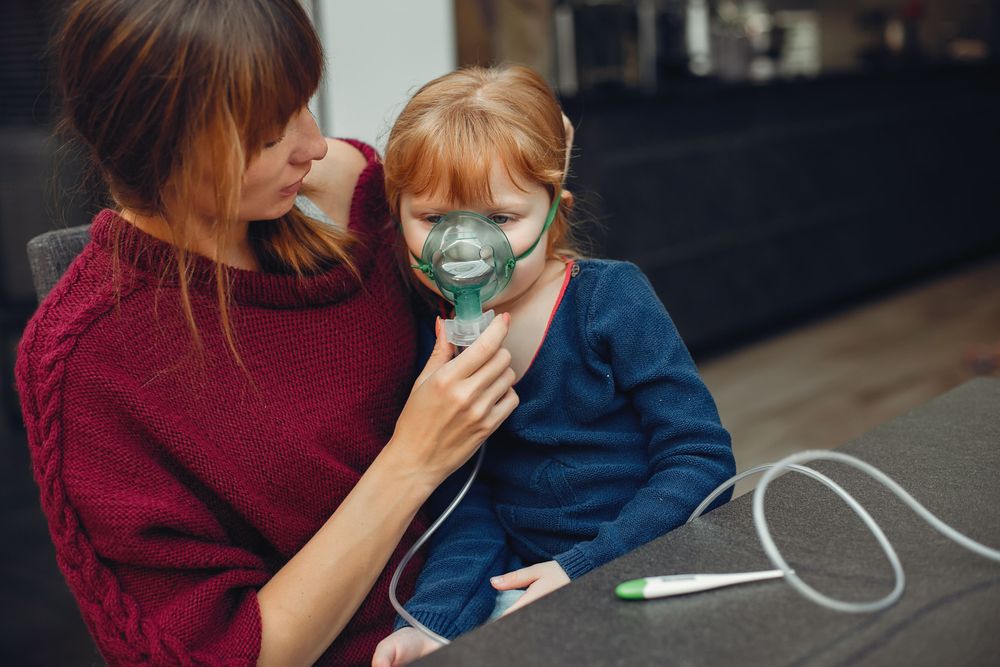
Administering an asthma inhaler for children correctly is vital for ensuring the medicine reaches deep into the lungs rather than landing on the back of the throat. Pediatricians always prescribe a clear plastic holding chamber (spacer), often fitted with a soft silicone face mask for toddlers, to make inhaler administration simple, effective, and stress-free.
Every family should leave the clinic with a written asthma management plan. This simple, color-coded guide (Green for daily wellness, Yellow for early flare-ups, and Red for urgent care) details exact medication dosages, step-by-step responses to worsening symptoms, and emergency contact numbers. Managing Asthma at School and During Outdoor Activities
Having asthma should never prevent a child from enjoying sports, physical education, and active play with their friends. Proper planning ensures seamless safety across school and recreational settings.
Provide your child's school nurse, physical education teachers, and classroom staff with a copy of your child's written action plan and a dedicated rescue inhaler with its spacer. Educate teachers about early warning signs and ensure your child is permitted to carry or quickly access their rescue medicine when needed.
For children who experience exercise-induced bronchospasm, administering a rescue inhaler 10 to 15 minutes before physical education class or sports practice prevents exercise-triggered tightness, allowing them to participate fully and safely alongside their peers.
The Role of Allergies in Childhood Asthma
Allergies and pediatric respiratory health are deeply interconnected. In fact, allergic asthma represents the most common form of the condition in young patients.
When an allergic child inhales an environmental trigger—such as indoor dust mites, animal dander, or mold spores—their immune system releases chemical histamines and inflammatory antibodies. In asthmatic children, this allergic reaction occurs directly within the bronchial tissue, causing rapid swelling and mucus production.
Undergoing comprehensive diagnostic evaluation at a specialized center allows physicians to address underlying allergic rhinitis (hay fever) simultaneously. Treating nasal allergies with antihistamines or saline rinses significantly reduces post-nasal drip, which in turn reduces bronchial irritation and asthma flare-ups.
Preventing Asthma Flare-Ups: Practical Tips for Parents in the UAE
While you cannot change the desert climate, implementing proactive home modifications significantly reduces your child's daily exposure to airborne triggers:
- Maintain Indoor Air Quality: Wash AC filter screens thoroughly every two to three weeks, and schedule professional duct cleaning annually to eliminate trapped dust and hidden mold spores.
- Control Indoor Humidity: Keep indoor relative humidity levels between 30% and 50% using air conditioning or dehumidifiers to discourage dust mite reproduction.
- Encourage Dust-Free Sleeping Areas: Encase your child's mattress and pillows in certified dust-mite-proof covers. Wash bed linens and soft plush toys weekly in hot water (above 55°C).
- Monitor Daily Weather and Air Quality Alerts: Check regional air quality index updates during sandstorm season. Keep windows sealed shut and restrict outdoor play when dust levels or pollen counts spike.
- Eliminate Indoor Smoke Exposure: Never allow smoking or shisha use inside your home or vehicle. Keep your child away from burning incense and heavily scented room sprays.
- Use HEPA Air Purifiers: Place high-efficiency particulate air (HEPA) purifiers in your child's bedroom to continuously filter out fine dust particles, pet dander, and airborne allergens.
When to See a Pediatrician About Your Child's Asthma in Abu Dhabi
Managing pediatric respiratory health requires ongoing professional guidance rather than occasional emergency visits. Establishing a relationship with a dedicated pediatrician Abu Dhabi parents trust ensures your child receives continuous monitoring and timely prescription updates as they grow.
You should schedule a medical consultation if your child:
- Coughs frequently during physical activity or wakes up coughing during the night.
- Requires their quick-relief rescue inhaler more than twice a week for symptom control.
- Misses school or activities repeatedly due to breathing difficulties.
- Exhibits signs of a worsening chest cold that consistently descends into wheezing.
At AESMC pediatrics, located within Adam & Eve Specialized Medical Centre, our experienced pediatric team provides compassionate diagnostic evaluations, allergy consultations, personalized action plans, and comprehensive care tailored to the unique health needs of children living in the UAE.
Living with childhood asthma in the UAE presents unique environmental challenges, but it should never limit your child's happiness, physical play, or future potential. By learning to identify environmental triggers, committing to consistent management routines, and partnering with experienced pediatric specialists, you give your child the foundation they need to breathe freely and thrive.
If your child is experiencing persistent coughing, wheezing, or breathing discomfort, do not wait for symptoms to worsen. Book a comprehensive pediatric evaluation at Adam & Eve Specialized Medical Centre (AESMC Abu Dhabi). Contact our dedicated team today to schedule your visit with a trusted specialist and create a personalized plan for your child's health and wellness!