
Retainers After Braces: Why You Can Never Skip Them
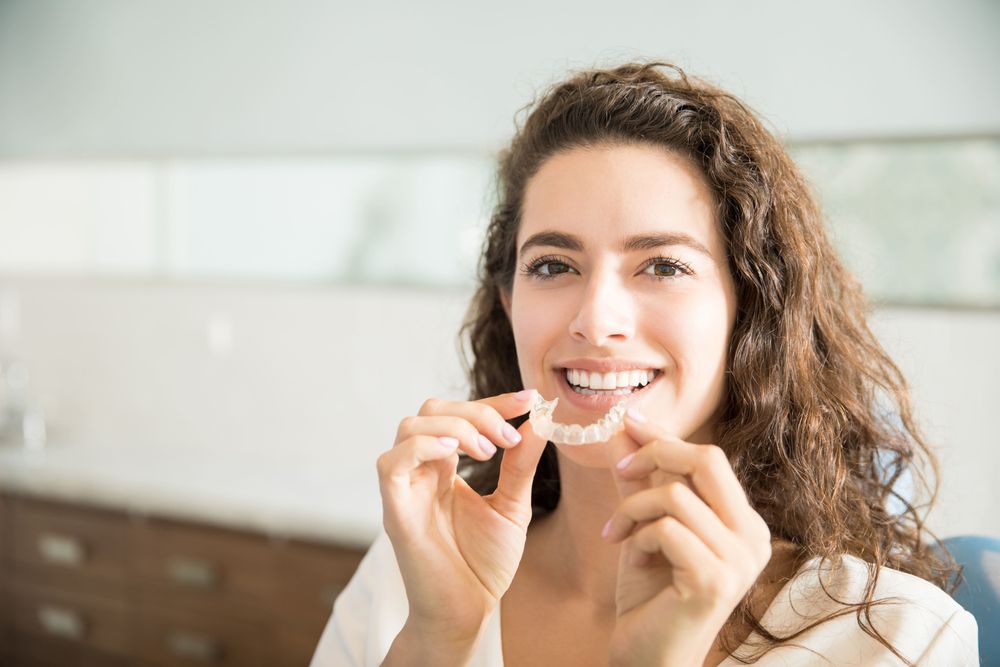
Learn why teeth can shift after braces, how retainers prevent orthodontic relapse, the different retainer types, recommended wear schedules, care tips, and when to see an orthodontist.
The Braces Are off - Now What?
The moment your braces are deboned and you run your tongue over smooth, perfectly aligned teeth is an incredible milestone. Months - or even years - of dietary adjustments, periodic wire tightening, and diligent oral hygiene finally culminate in a radiant, confident smile. However, stepping out of the orthodontist's chair without metal or ceramic brackets does not mark the end of your orthodontic journey. It simply signals the transition into a crucial new phase: retention.
Wearing retainers after braces is the single most vital step in preserving the structural alignment your treatment worked so hard to achieve. Without an active orthodontic retainer, the natural biological forces within your mouth begin working immediately to pull your teeth back toward their original positions. Whether you completed your treatment recently or years ago, consulting an experienced orthodontist Abu Dhabi patients trust at Adam & Eve Specialized Medical Centre ensures that your hard-earned smile remains permanent and healthy for a lifetime.
Why Teeth Move After Braces: Understanding Orthodontic Relapse
To understand why a tooth shifting after braces occurs so readily, it helps to look below the gum line. Your teeth are not anchored directly into static jawbone like pegs in wood. Instead, they are held in place by a complex network of living elastic tissue called the periodontal ligament.
When braces or clear aligners exert continuous pressure to move a tooth, the bone on one side breaks down (resorption), while new bone forms on the opposite side (deposition). Once the active moving force stops, the surrounding bone density takes many months to fully mineralize and harden around the new tooth position. Furthermore, the elastic collagen fibers in your gums act like stretched rubber bands, continuously pulling backward.
This biological tendency to return to pre-treatment positions is known as orthodontic relapse. Without a custom retainer for teeth holding them firmly in place, microscopic natural movements accumulate quickly, gradually destroying your orthodontic investment.
Types of Retainers: Hawley, Clear, and Fixed
When exploring the options for your post-treatment care, your specialist will recommend specific types of retainers based on your original bite misalignment, personal preferences, and lifestyle habits.
1. Hawley Retainers
The Hawley retainer is the classic, time-tested option consisting of a custom-molded acrylic base that rests comfortably against the roof of your mouth or along the lower gumline, connected to a thin metal wire running across the front of your teeth. Hawley retainers are exceptionally durable, adjustable by your orthodontist if minor tweaks are needed, and available in various colors.
2. Clear Plastic Retainers (Essix)
Clear retainers are custom-molded thermoformed plastic trays that fit snugly over your teeth, looking virtually identical to clear aligner trays. Because they are transparent and cover the biting surfaces completely, they offer an aesthetic, virtually invisible appearance while preventing wear from nighttime teeth grinding.
3. Fixed or Bonded Retainers
A fixed retainer consists of a smooth, solid or braided stainless steel wire custom-bonded directly to the tongue-facing side of your front teeth (usually the lower arch). Because it remains permanently attached, a fixed wire provides continuous, effort-free protection against crowding without relying on daily patient memory.
The Retention Timeline: How Long You Actually Need to Wear a Retainer
One of the most frequent questions patients ask is: how long to wear a retainer after treatment ends?
While your daily retainer wear schedule evolves over time, the short answer is simple: retention is a lifelong commitment.
- First 3 to 6 Months: During the immediate post-braces window, bone surrounding the roots is still soft and unstable. You must wear your removable retainer full-time (at least 20 to 22 hours per day), removing it only for meals, drinking hot beverages, and brushing.
- Months 6 to 12: If your bone density has stabilized during routine checkups, your orthodontist will usually clear you to transition to night-only wear (8 to 10 hours while sleeping).
- Long-Term Maintenance: As years pass, natural aging causes subtle facial muscle shifts and natural mesial drift (the tendency for teeth to migrate forward). Wearing your retainer several nights a week indefinitely guarantees your teeth never shift out of alignment.
What Happens If You Skip Wearing Your Retainer?
Life gets busy, and it is easy to forget your appliance for a few days—or even weeks. However, skipping your routine leads to predictable consequences:
- Immediate Tightness: When you try inserting your appliance after a week of neglect, it will feel unusually tight or uncomfortable. This resistance indicates your teeth have already begun migrating.
- Relapse of Crowding and Gaps: Front teeth, particularly on the lower arch, begin overlapping again, while previously closed spaces start reopening.
- Bite Misalignment: As individual teeth drift, your upper and lower jaws may no longer meet evenly, leading to uneven tooth wear and jaw joint strain.
- Need for Retreatment: Severe movement caused by extended non-compliance often requires a secondary round of braces or aligners to correct.
Signs Your Teeth Are Shifting: When to Take Notice
Early detection of tooth movement allows your specialist to intervene before permanent damage occurs. Watch for these warning signs:
- Your removable appliance feels painful, tight, or fails to seat completely flush against your gum line.
- You notice small gaps reopening between your front teeth.
- Food suddenly begins getting stuck between teeth that were previously tight.
- Your bite feels different or uneven when chewing.
- A fixed bonded wire behind your front teeth feels loose, bent, or unbounded.
Caring for Your Retainer: Cleaning and Maintenance
Proper retainer care and cleaning ensures your appliance stays hygienic, odor-free, and structurally sound:
- Rinse and Brush Daily: Gently clean removable appliances every morning using a soft-bristled toothbrush and lukewarm water. Avoid hot water, which warps plastic.
- Use Specialized Cleaners: Soak clear and Hawley trays in non-abrasive orthodontic cleaning tablets or specialized solutions to remove stubborn plaque buildup and bacteria.
- Avoid Toothpaste on Clear Trays: Standard abrasive toothpastes create microscopic scratches on clear plastic, turning it cloudy and trapping bacteria.
- Always Store in a Case: Never wrap removable appliances in paper napkins during meals—this is the primary way they end up accidentally thrown in the trash. Keep them safe in a protective, ventilated case when out of your mouth.
What If You Lost or Broke Your Retainer? What to Do Next
Accidents happen. Whether your appliance was stepped on, chewed by a pet, or misplaced while traveling, acting quickly is imperative.
Do not wait weeks hoping your teeth stay still. Contact your dental team immediately to schedule a retainer fitting Abu Dhabi appointment. Your orthodontist can take a quick digital scan or impression to fabricate a replacement before significant shifting occurs. If a bonded wire snaps or detaches from a single tooth, leave it in place and seek prompt professional repair to avoid tissue irritation and localized relapse.
What to Expect: A Retainer Check or Fitting at AESMC Abu Dhabi
When visiting Adam & Eve Specialized Medical Centre, your post-orthodontic maintenance is managed with precision technology and personalized care.
During a routine retention checkup at our state-of-the-art dental clinic Abu Dhabi, your specialist will evaluate your bite alignment, inspect bonded wires for structural integrity, check removable appliances for wear, and make minor adjustments if needed. If a new appliance is required, advanced 3D digital intraoral scanners capture painless, highly accurate digital impressions without messy traditional putty, ensuring a snug, perfectly customized fit.
Fallen Behind on Retainer Wear? It's Never Too Late to Get Back on Track
If you haven't worn your appliance in months and realize your teeth have noticeably shifted, don't feel embarrassed or give up entirely.
Schedule an evaluation with your orthodontist right away. In mild cases, putting on your existing appliance (if it still fits safely without excessive force) or fabricating a new clear alignment tray can gently guide teeth back into position before severe relapse takes hold.
When Should You See an Orthodontist About Your Retainer in Abu Dhabi?
Whether you are completing braces treatment Abu Dhabi services, need a replacement appliance, or simply want to verify your smile is holding stable, expert care is always available. Visiting AESMC orthodontics Abu Dhabi ensures your structural alignment remains under professional oversight throughout every stage of life.
Removing your braces is a momentous milestone, but long-term success relies entirely on diligent retention. By understanding the biological mechanics of tooth movement, wearing your custom appliance according to your doctor's schedule, and keeping up with routine professional checkups, you safeguard your financial and emotional investment in a straight, healthy smile.
If you need a new appliance, a repair, or a professional retention checkup, visits Adam & Eve Specialized Medical Centre (AESMC orthodontics Abu Dhabi). Book your appointment with our expert team today to keep your smile beautiful and perfectly aligned for life!