
Hip Pain: Common Causes in Different Age Groups and When to Worry — An Orthopedic Guide
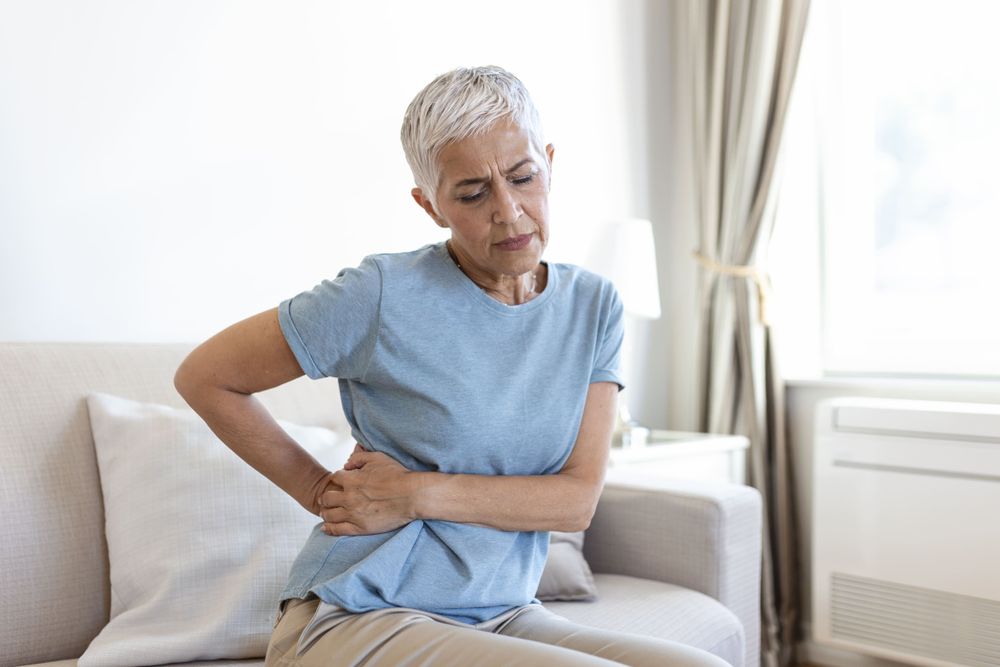
Hip pain can have different causes at every stage of life, from developmental conditions in children to sports injuries in adults and joint degeneration in older adults. This guide explores common hip pain causes by age, red flags that require medical attention, diagnostic approaches, treatment options, and practical habits to support long-term hip health.
Hip Pain Isn't One Condition
That deep ache in your groin, a sharp catch in your outer thigh, or a dull stiffness that makes getting out of bed difficult—hip discomfort takes many forms. Because the hip is a complex, weight-bearing ball-and-socket joint surrounded by ligaments, tendons, and muscles, hip pain causes vary dramatically depending on your stage of life.
Pain felt near the hip does not always originate from the joint itself. It can stem from surrounding soft tissues, the lower back, or developmental changes. Understanding hip pain by age helps pinpoint what might be going wrong and guides you toward the right care. For residents seeking expert diagnosis and relief, consulting an orthopedic doctor Abu Dhabi at Adam & Eve Specialized Medical Centre (AESMC orthopedics Abu Dhabi) offers a direct path toward restoring full mobility.
Understanding the Hip Joint: Why the Cause Changes With Age
The hip joint connects the head of the thigh bone (femur) to the socket of the pelvis (acetabulum). Smooth articular cartilage cushions this connection, while a ring of tough cartilage called the labrum stabilizes the joint.
In children and teenagers, the hip joint is still growing, making growth plates and blood supply vulnerable to specific developmental conditions. In young adults, active lifestyles and sports often cause soft tissue injuries like a hip labral tear or structural friction like impingement. In older adults, years of wear and tear, diminished bone density, and joint degeneration lead to conditions such as osteoarthritis of the hip. Recognizing these distinct life-stage vulnerabilities is key to effective evaluation.
Hip Pain in Children and Teens: Common Causes
When evaluating hip pain in children, parents should take symptoms seriously, as young children may describe hip distress as knee or thigh pain.
-
Developmental Dysplasia of the Hip (DDH): A congenital condition where the hip socket is too shallow, preventing the femoral head from fitting securely.
-
Transient Synovitis: Temporary inflammation of the hip joint lining, often following a viral infection, causing a sudden limp and mild pain.
-
Perthes Disease: A rare condition affecting children aged 4 to 10, where temporary loss of blood supply to the femoral head causes bone tissue to break down.
-
Slipped Capital Femoral Epiphysis (SCFE): Most common in pre-teens and teenagers during growth spurts, this occurs when the ball of the hip joint slips backward off the growth plate of the thigh bone.
Hip Pain in Young and Middle-Aged Adults (18–50): Common Causes
In active adults, hip issues are frequently tied to repetitive sports movements, structural variations, or nerve compression:
-
Femoroacetabular Impingement (FAI): An extra bone growth on the ball or socket creates friction during movement, causing groin pain during deep squats or long periods of sitting.
-
Hip Labral Tear: Damage to the cartilage ring lining the socket, causing a clicking or catching sensation deep in the groin.
-
Hip Bursitis: Inflammation of the fluid-filled sacs (bursae) on the outer edge of the hip, resulting in sharp, burning tenderness over the outer thigh.
-
Sciatica Hip Pain: Irritation of the sciatic nerve in the lower back radiating pain into the buttock and side of the hip.
Hip Pain in Older Adults (50+): Common Causes
For mature individuals, hip pain in older adults is most often caused by progressive structural degradation or bone fragility:
-
Osteoarthritis of the Hip: The gradual wearing down of protective joint cartilage, leading to bone-on-bone friction, deep groin stiffness, and reduced flexibility.
-
Avascular Necrosis of the Hip: Temporary or permanent loss of blood supply to the bone tissue of the femoral head, leading to micro-fractures and structural collapse.
-
Hip Fracture in Elderly: A sudden break in the upper femur, usually caused by a fall or severe osteoporosis, presenting as severe, immediate pain and an inability to bear any weight.
When Is Hip Pain a Cause for Concern? Red Flags at Any Age
Knowing when to worry about hip pain helps prevent permanent joint damage. You should seek urgent care from a hip pain doctor if you experience:
- Inability to bear weight on the affected leg or stand upright.
- Sudden, severe pain following a fall, accident, or physical trauma.
- Visible deformity of the joint or a leg that appears shorter or turned outward.
- Fever, chills, redness, or warmth around the joint, which can signal a dangerous joint infection (septic arthritis).
- Night pain that disrupts sleep or pain accompanied by unexplained weight loss.
How Is Hip Pain Diagnosed and Treated?
Achieving lasting relief requires accurate diagnosis. At a specialized clinic, doctors use physical examinations, range-of-motion tests, and advanced imaging (X-rays, MRI, or ultrasound) to identify the root cause.
Effective hip pain treatment starts conservatively:
-
Non-Surgical Care: Targeted physical therapy, activity modification, anti-inflammatory medications, and ultrasound-guided joint or bursa injections.
-
Surgical Solutions: If conservative options fail, minimally invasive arthroscopic surgery can repair a labral tear or correct impingement. For advanced osteoarthritis or a severe fracture, hip replacement surgery replaces damaged joint surfaces with durable artificial components, restoring pain-free movement.
Daily Habits That Support Hip Health at Every Age
Protecting your hips throughout life involves proactive daily care:
- Strengthen Core and Glutes: Strong core, gluteal, and thigh muscles take mechanical stress off the hip joint.
- Maintain a Healthy Weight: Every extra kilogram adds significant pressure to your hips during walking and standing.
- Prioritize Low-Impact Exercise: Swimming, cycling, and walking keep joints lubricated without excessive impact.
- Practice Good Posture: Avoid sitting with crossed legs for extended hours, and adjust your workspace ergonomics.
What to Expect: A Hip Pain Consultation at AESMC Abu Dhabi
When you schedule an appointment with a hip specialist Abu Dhabi residents trust, your visit begins with a thorough evaluation. The specialist reviews your medical history, examines your gait, checks joint mobility, and recommends precise imaging if needed. A personalized care plan is then crafted to match your active lifestyle, whether through targeted physical therapy or specialized interventions.
When Should You See a Doctor for Hip Pain in Abu Dhabi?
Persistent hip discomfort should not be ignored. If your pain lasts longer than two weeks, worsens with daily activities, or limits your mobility, scheduling a visit for hip pain treatment Abu Dhabi ensures you receive an accurate diagnosis before minor joint wear becomes a serious issue. Seeking care at a dedicated hip pain clinic Abu Dhabi—such as AESMC Abu Dhabi—gives you direct access to experienced specialists and comprehensive diagnostic technology.
Conclusion: Get to the Root of Your Hip Pain
Hip pain does not have to restrict your mobility or force you to give up the activities you enjoy. From growth-related concerns in children to joint wear in older adults, understanding the underlying hip pain causes allows you to take decisive action.
If hip discomfort is holding you back, reach out to the specialist team at Adam & Eve Specialized Medical Centre (AESMC orthopedics Abu Dhabi). Book your consultation today to receive expert evaluation, personalized care, and a clear path toward moving comfortably again.