
Skin Tags and Moles: When Are They a Cause for Concern? — A Dermatologist's Guide
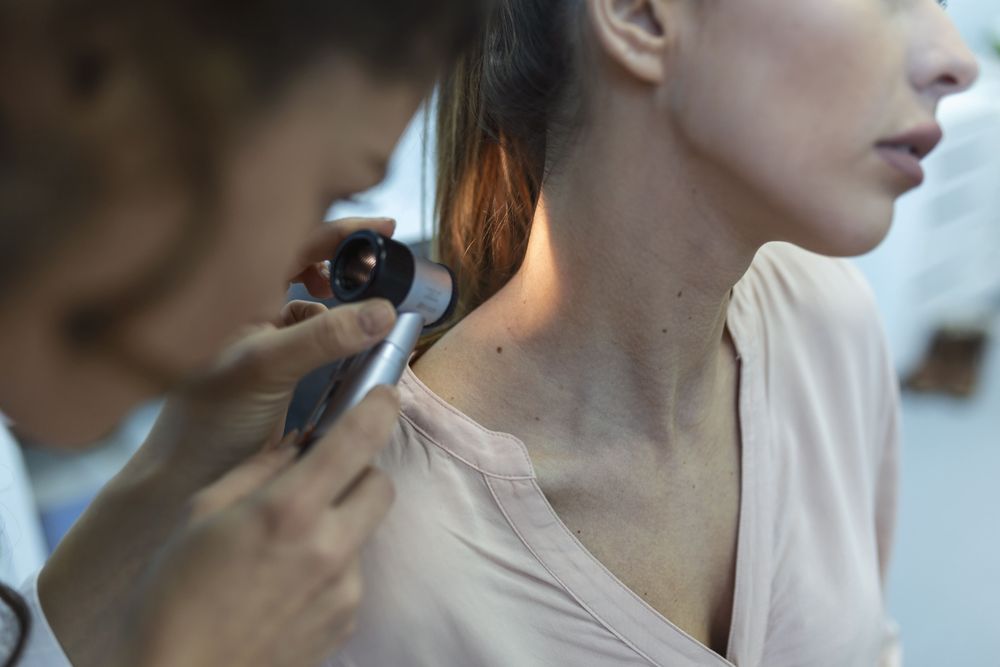
Skin tags and moles are common skin growths, and most are harmless. However, changes in a mole’s size, shape, color, or appearance can require professional evaluation. This guide explains the differences between skin tags and moles, the ABCDE warning signs of potential skin cancer, professional removal options, and when to schedule a dermatology consultation.
That Spot You've Been Watching
Most of us have at least a few small bumps, spots, or growths on our skin. Whether it is a soft skin tag under the arm, a dark mole on the shoulder, or a raised spot along the waistline, these skin features are remarkably common. For the vast majority of people, these spots remain entirely harmless throughout their lives.
However, it is completely natural to occasionally look closely in the mirror and wonder: Is that spot changing? Is this normal? Should I get it checked?
Distinguishing between a harmless, benign growth and a potential health risk requires understanding what is happening beneath the skin surface. Knowing what to monitor and when to seek a professional evaluation gives you peace of mind and protects your skin health. At Adam & Eve Specialized Medical Centre (AESMC Abu Dhabi), our experienced team at AESMC dermatology Abu Dhabi helps patients manage, inspect, and safely treat skin growths with precision and care.
Skin Tags vs. Moles: What's the Medical Difference?
While people often group all skin bumps together, skin tags and moles are biologically distinct growths with different causes and characteristics.
What Is a Skin Tag?
A skin tag (acrochordon) is a small, soft, benign growth that projects off the skin surface via a thin, narrow stalk called a peduncle. Skin tags are composed of loose collagen fibers, nerve cells, and fat cells wrapped in epidermal skin tissue.
They most commonly develop in areas where skin rubs against skin or clothing, such as the neck, armpits, groin, under the breasts, or on the eyelids. People often ask, are skin tags dangerous? The simple answer is no—skin tags are entirely benign and do not turn into skin cancer. However, they can become painful, snagged, or inflamed when irritated by jewelry or tight clothing.
What Is a Mole?
A mole (nevus) is a common skin growth that forms when pigment-producing cells, known as melanocytes, grow in clusters or clusters rather than spreading evenly across the skin. Moles are typically darker in color—ranging from pink and flesh-toned to dark brown or black—and can be flat, raised, smooth, or rough.
While most moles are completely harmless, they differ from skin tags because certain moles have the potential to undergo cellular changes and transform into skin cancer, specifically melanoma.
Other Common Benign Skin Growths
Not every spot is a tag or a mole. Dermatologists also frequently treat other benign growths like seborrheic Kerasotes (waxy, stuck-on-looking brown growths) and dermatofibromas (firm, small reddish-brown bumps that often form after minor insect bites).
When Are They a Cause for Concern? The ABCDE Warning Signs
While skin tags remain harmless, monitoring moles for subtle physical changes is essential for early skin cancer detection. Dermatologists recommend using the clinical ABCDE rule skin cancer screening guide to evaluate existing or new moles:
-
A – Asymmetry: One half of the mole does not match the visual shape or contour of the other half.
-
B – Border: The edges of the mole are irregular, ragged, notched, blurred, or poorly defined.
-
C – Color: The color is not uniform across the spot. It may feature varying shades of brown, black, pink, red, white, or blue.
-
D – Diameter: The spot is larger than 6 millimeters across (about the size of a standard pencil eraser), although melanomas can sometimes be smaller.
-
E – Evolving: The mole is actively changing in size, shape, color, or height over time, or you notice new symptoms like itching, bleeding, or oozing.
An atypical mole (dysplastic nevus) may exhibit one or two of these irregular features without being cancerous. However, individuals with multiple atypical moles have a higher statistical risk of developing melanoma and should schedule a regular mole check dermatologist evaluation.
How Are Skin Tags and Moles Diagnosed and Removed?
Attempting to cut, burn, or snip off skin growths at home using DIY remedies or unverified online creams carries a high risk of severe bacterial infection, excessive bleeding, and permanent scarring. Professional removal performed at a specialized skin clinic Abu Dhabi residents trust ensures safe, hygienic, and aesthetically pleasing outcomes.
Professional Skin Tag Removal
Depending on the size, location, and stalk thickness, skin tag removal is performed using quick outpatient techniques:
-
Cryotherapy: Applying a localized burst of liquid nitrogen to freeze and destroy the stalk, causing the tag to drop off naturally within a few days.
-
Surgical Excision/Snip: Numbing the base with a mild local anesthetic and using sterile surgical scissors to cleanly remove the growth.
-
Electrocautery: Using a fine electric needle to cauterize and seal the stalk base, preventing bleeding and eliminating the tag instantly.
Professional Mole Removal
If a mole is irritated, aesthetically undesirable, or suspected of being atypical, a dermatologist will perform a mole removal:
-
Shave Excision Mole Removal: The area is numbed, and a small, delicate blade is used to shave the raised portion of the mole flush with the surrounding skin.
-
Surgical Punch or Full Excision: For deeper or suspicious moles, the entire growth is excised down through the dermal layer, and the site is closed with fine sutures.
-
Skin Biopsy: Any removed mole that exhibits suspicious features is sent to a pathology lab for a detailed microscopic analysis to rule out abnormal or malignant cells.
Reducing Your Risk: Skin Checks and Sun Protection Habits
Proactive prevention and early detection are key to maintaining healthy skin:
-
Perform Monthly Self-Exams: Check your entire body once a month, paying close attention to sun-exposed areas as well as hidden spots like the scalp, soles of the feet, and between toes.
-
Apply Broad-Spectrum Sunscreen: Ultraviolet (UV) radiation triggers cellular mutations in moles. Apply a water-resistant, broad-spectrum sunscreen with SPF 30 or higher daily.
-
Schedule Annual Professional Skin Checks: Routine professional screenings allow a specialist to track subtle changes across your skin using specialized diagnostic tools.
When Should You See a Dermatologist for a Skin Tag or Mole in Abu Dhabi?
You should schedule a professional evaluation if you notice:
- A mole that bleeds, crusts, oozes, or causes persistent itching or tenderness.
- A new spot that looks completely different from all other spots on your body (known as the "ugly duckling" sign).
- A skin tag in a sensitive area, such as the eyelid, or one that repeatedly gets caught on clothing.
- Any mole exhibiting one or more characteristics of the ABCDE rule.
At AESMC Abu Dhabi, our dedicated dermatology department provides comprehensive mole mapping, skin cancer screenings, and precise cosmetic removals in a comfortable setting.
Most skin tags and moles are harmless features of your body's skin landscape. However, staying mindful of new or changing spots and knowing when to consult a specialist is essential for long-term health and early skin cancer prevention.
If you have a spot that has changed shape, an irritated skin tag, or simply want the confidence that comes with a professional skin evaluation, Adam & Eve Specialized Medical Centre (AESMC Abu Dhabi) is here for you. Our experienced team at AESMC dermatology Abu Dhabi delivers comprehensive diagnostic skin checks and advanced, gentle removal procedures. Contact AESMC Abu Dhabi today to schedule your consultation and give your skin the expert care it deserves.