
Bright Smiles: Is Teeth Whitening Truly Safe for Your Enamel?
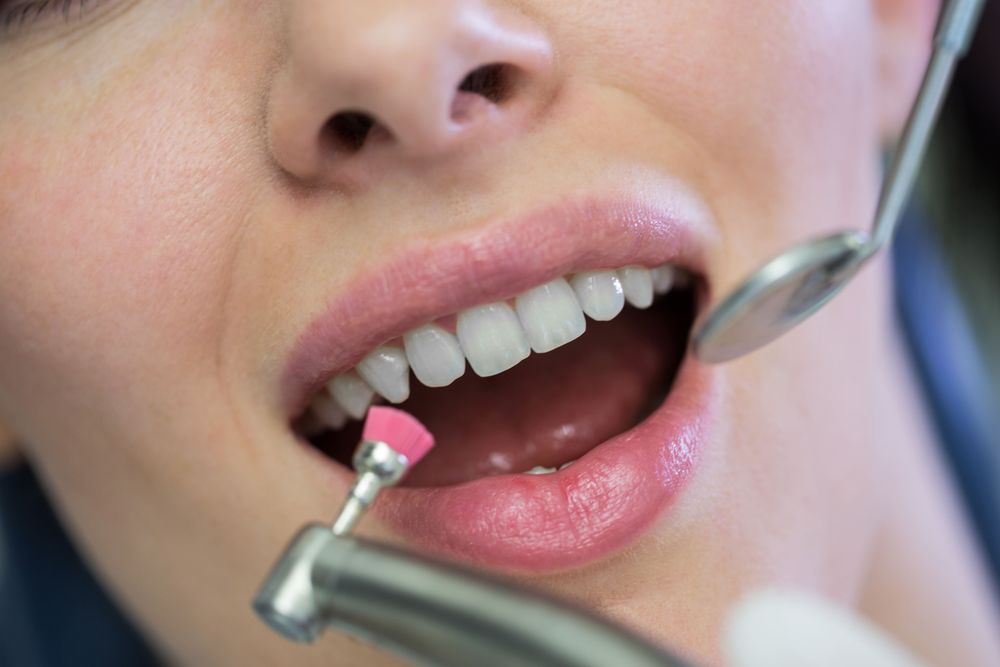
Teeth whitening is popular and generally safe when done correctly. Professional in-office treatments offer fast, noticeable results with the highest safety, while at-home kits are slower and carry some risk if misused. Temporary sensitivity is common, but enamel remains intact with proper care.
The Essential Distillation
A radiant smile is a major confidence booster, making teeth whitening one of the most requested cosmetic procedures globally. However, the surge in "DIY" trends has raised questions about safety. Teeth whitening is essentially safe, as long as one adheres to clinically validated techniques and follows professional dental advice. While temporary sensitivity is common, understanding the difference between clinical treatments and over-the-counter kits is key to protecting your long-term dental health.
The Starting Horizon
We live in an image-conscious world where "camera-ready" smiles are the standard. A vast array of products—ranging from charcoal-based powders to advanced LED whitening systems—currently inundates the market with promises of immediate, brilliant results. But before you apply a bleaching agent to your teeth, it’s essential to understand what is happening beneath the surface. Whitening isn't just about "cleaning" the tooth; it involves a chemical reaction that penetrates the enamel. While correct application ensures a brilliant smile, improper use can result in permanent enamel erosion.
Discerning vs. At-Home Whitening: The Real Trade-offs
Choosing the right method depends on your budget, timeline, and the current health of your gums.
Discerning In-Office Whitening
This is the "Gold Standard." A dentist uses high-concentration hydrogen peroxide gels (often 25% to 40%) that are activated by specialized lights or lasers.
- Safety: Highest. Your gums and soft tissues are protected by a protective barrier (gingival dam).
- Results: Immediate. You can see a change of 5 to 8 shades in a single hour-long session.
- Cost: Higher upfront, but results last longer.
At-Home Whitening (Over-the-Counter)
These include strips, trays, and whitening toothpastes. They typically use lower concentrations of carbamide or hydrogen peroxide.
- Safety: Moderate. If the tray doesn't fit perfectly, the gel can leak and cause "chemical burns" on the gums.
- Results: Gradual. It may take 2 to 4 weeks of consistent use to see a considerable difference.
- Cost: Affordable and convenient.
Common Safety Myths vs. Facts
- Contrary to the widespread belief that brightening your smile erodes the enamel, professional-grade whitening actually works by oxidizing discolored molecules within the tooth, leaving the protective outer layer completely intact.
- Fact: Professional whitening agents temporarily open the pores in your enamel to lift stains. As long as you don't over-whiten, the enamel remains structurally sound and remineralizes with saliva.
- Myth: Natural remedies like lemon juice or baking soda are safer.
- Fact: These are actually more dangerous. Lemon juice is highly acidic and dissolves enamel, while baking soda is abrasive and can scratch the tooth surface.
Managing Whitening for Sensitive Teeth
If you already experience a "zing" when drinking cold water, you might worry that whitening is off-limits. You can still whiten, but you need a modified approach:
- Pre-Treatment: Use a desensitizing toothpaste containing potassium nitrate for two weeks before you start whitening.
- Lower Concentration: Opt for products with a lower percentage of peroxide over a longer period, rather than a "rapid" high-strength treatment.
- The "Salami" Method: Instead of whitening every day, try every other day to give your nerves time to recover.
- Post-Care: Avoid extremely hot or cold foods for 48 hours after treatment when the pores of your teeth are still "open."
Assessing Your Candidacy for Whitening
While generally safe, certain individuals should delay or avoid the procedure:
- Pregnant or Nursing Women: Due to a lack of clinical data on the effects of whitening chemicals during pregnancy.
- Children Under 16: Their pulp chambers (nerves) are larger and more sensitive.
- Restoration Owners: Whitening agents do not change the color of crowns, veneers, or fillings. Whitening may result in an uneven look if your natural teeth brighten but your dental work stays the same.
Conclusion
Teeth whitening is a medical procedure, even when done at home. The safest route is to have a dental check-up first to ensure you don't have hidden cavities or gum disease, which can cause intense pain if they come into contact with bleach. When done correctly, whitening is a safe, effective way to refresh your appearance and roll back years of coffee, tea, or aging stains.